
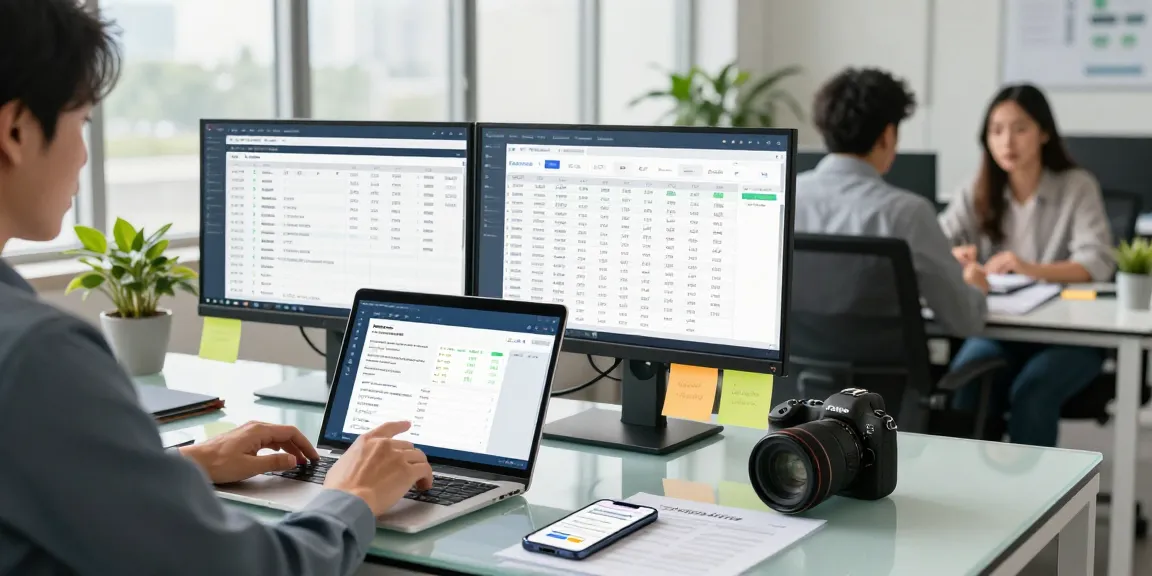
The Evolution of Billing Systems in 2026
As we progress through 2026, the landscape of billing systems continues to evolve dramatically, shaped by rapid advancements in technology and shifting consumer expectations. Seamless and efficient billing processes have become paramount for businesses looking to sustain their competitive edge. The adoption of automated billing systems is driving innovation, enabling organizations to simplify complex transaction processes while enhancing customer satisfaction. In this comprehensive overview, we will delve into modern billing systems, explore the key trends influencing their evolution, and analyze the challenges businesses face when navigating these changes. Moreover, we will discuss how companies can leverage a secure billing system to promote trust and reliability among their customers.
When exploring options, billing system solutions have adapted to provide integrated functionalities that cater to diverse business needs.
Understanding Modern Billing Systems
Modern billing systems have transitioned from traditional manual invoicing practices to sophisticated, data-driven solutions that facilitate instant payments and analytics. These systems not only automate billing processes but also integrate with other business software, such as Customer Relationship Management (CRM) and Enterprise Resource Planning (ERP), to provide comprehensive insights into revenue and customer behavior. The ability to deliver detailed reports, track payments, and manage subscriptions has never been more accessible, allowing businesses to optimize their financial operations.
Key Trends Impacting Billing Systems
- Automation: The shift towards automation continues to be a defining trend. Automated billing systems reduce manual entry errors and speed up the invoicing process, allowing businesses to focus on growth rather than administrative tasks.
- Customer-Centric Solutions: Billing systems are evolving to meet the needs of consumers who demand transparency and flexibility. Many businesses now offer customizable payment plans, making it easier for customers to engage.
- Integration with Digital Payment Platforms: The rise of digital payment solutions has led to increased integration within billing systems. Businesses must adapt to ensure that their billing systems are compatible with popular payment platforms such as PayPal, Stripe, and Apple Pay.
- Data Security: With increased online transactions comes the need for robust security measures. Businesses are prioritizing secure billing systems to protect sensitive customer information.
Challenges Businesses Face with Billing Systems
Despite the advancements in billing systems, businesses still encounter several challenges that can hinder their efficiency:
- Complexity of Implementation: Integrating a new billing system with existing infrastructure can be complex and time-consuming, requiring significant resources and training.
- Data Accuracy: Ensuring that all billing data is accurate and up to date remains a challenge, as errors can lead to billing disputes and customer dissatisfaction.
- Regulatory Compliance: Businesses must navigate various regulations governing financial transactions, which can vary by region, making compliance a constant concern.
- Customer Adoption: Encouraging customers to adopt new billing methods, especially those that require technological adaptation, can be a hurdle.
Implementing a Secure Billing System
A secure billing system is crucial for maintaining customer trust and ensuring compliance with financial regulations. The implementation of such systems involves adherence to best practices that safeguard both the business and its clients. Organizations must prioritize the selection of billing systems that provide robust encryption, secure payment processing, and easy access to transaction records.
Best Practices for Secure Transactions
To create a secure billing environment, businesses should follow these best practices:
- Use SSL Encryption: Secure Socket Layer (SSL) encryption shields sensitive customer data during transmission.
- Regular Security Audits: Conduct regular audits of billing systems to identify potential vulnerabilities.
- Two-Factor Authentication: Implement two-factor authentication to add an extra layer of security during the login process.
- Educate Employees: Train staff on data security protocols and the importance of protecting customer information.
Choosing the Right Billing System for Your Business
Selecting a billing system that aligns with your business’s unique requirements is critical. Factors to consider include:
- Scalability: The billing solution should scale with your business as it grows.
- Customer Support: Look for providers that offer excellent customer service and support to resolve any issues promptly.
- Integration Capabilities: Ensure that the billing system integrates seamlessly with other tools and platforms your business uses.
- Cost-Effectiveness: Compare pricing models to ensure the billing system fits within your budget while providing necessary features.
Common Security Pitfalls to Avoid
Organizations must be vigilant in avoiding security missteps, such as:
- Weak Passwords: Enforcing strong password policies is essential to prevent unauthorized access.
- Neglecting Software Updates: Outdated software can expose systems to vulnerabilities. Regularly update billing software to patch security issues.
- Lack of Training: Employees should be well-informed on security best practices and aware of phishing threats.
Benefits of Automated Billing Systems
Automated billing systems offer numerous advantages that can enhance a business’s operational efficiency and improve cash flow management. By leveraging technology, organizations can streamline processes and reduce the time spent on billing-related tasks.
Streamlining Invoicing Processes
With automated billing systems, businesses can generate and send invoices quickly and accurately. This efficiency leads to faster billing cycles and improved cash flow.
Enhancing Cash Flow Management
Automated billing systems enable better forecasting and monitoring of accounts receivable. Businesses can easily track outstanding invoices and send automated reminders to customers, minimizing delays in payments.
Reducing Human Error and Increasing Accuracy
By automating repetitive billing tasks, businesses can significantly reduce the chances of human error. Accurate billing reduces disputes and fosters stronger customer relationships.
Integrating Billing Systems with Other Business Tools
Integration is essential for achieving maximum efficiency in billing processes. By connecting billing systems with other business tools, organizations can gain a holistic view of their operations.
How CRM Systems Enhance Billing Efficiency
CRM systems can seamlessly integrate with billing systems, providing access to customer data that can improve billing accuracy and enhance customer relationship management.
Linking Billing Systems to Inventory Management
Integrating billing systems with inventory management helps businesses track product availability and align billing with shipped goods, ensuring customers are billed accurately for what they receive.
Optimizing Workflow Through Integration
Linking billing systems with tools such as project management software can streamline workflows, allowing businesses to track progress and ensure billing aligns with project milestones.
The Future of Billing Systems: Predictions for 2026 and Beyond
As we look to the future, several predictions emerge regarding the trajectory of billing systems:
Emerging Technologies in Billing
Blockchain technology is anticipated to play a significant role in streamlining billing processes by providing a decentralized ledger that ensures transparency and security in transactions.
Impact of AI and Machine Learning
Artificial Intelligence (AI) and machine learning will enable billing systems to predict payment behaviors and automate more complex processes, thereby enhancing financial forecasting and customer service.
Shifting Customer Expectations and Business Adaptation
As customer preferences evolve, businesses must adapt billing systems to offer personalized experiences, including customized payment options and instant access to billing history.
What are the main types of billing systems?
The main types of billing systems include subscription-based billing, one-time billing, and usage-based billing, each catering to different business models and customer needs.
How can businesses ensure their billing systems are secure?
Businesses can ensure security by implementing SSL encryption, conducting regular audits, and providing staff training on data protection protocols.
What benefits do automated billing systems provide?
Automated billing systems enhance accuracy, streamline invoicing processes, and improve cash flow management, making them invaluable for modern businesses.
How should businesses choose a billing system?
Businesses should consider scalability, integration capabilities, customer support, and cost-effectiveness when selecting a billing system that meets their needs.
What trends are shaping the future of billing systems?
Key trends include increased automation, the integration of AI, a focus on customer-centric solutions, and heightened security measures to protect financial transactions.